



Last updated: 25 November 2026
Curve Pay puts all your bank cards behind one Mastercard, so you can switch which card pays after you’ve paid, avoid foreign exchange fees and collect cashback. It is a clever idea. The catch most reviews skip is what happens when a purchase goes wrong.
Once Curve sits between you and your bank, your credit card company is no longer paying the shop. It is paying Curve. That changes who you claim from, how long you have, and whether Section 75 still applies.
This review reads Curve’s own terms, help pages and plan list so you know where you stand before you put a big purchase through it.
Table of Contents
Curve Pay at a glance
| Item | What Curve says |
|---|---|
| What it is | A wallet and Mastercard that pass each payment to one of your linked cards |
| UK issuer | Curve UK Limited, an FCA-authorised e-money institution (firm reference 900926) |
| Plans | Free, X (£5.99 a month), Pro (£9.99), Pro+ (£17.99) |
| Own dispute cover | Curve Customer Protection, up to £100,000 per dispute, at Curve’s discretion |
| Time limit to claim | 120 days from the purchase, receipt of goods or the event |
| Section 75 | Only on purchases made with a Curve Credit card, not on Curve debit card spending |
| Trustpilot | 2.2 out of 5 from 13,111 reviews (checked 25 November 2026) |
Does my credit card’s Section 75 still work if I pay through Curve?
No, according to Curve itself. Its help centre says Curve debit card transactions are not covered by Section 75 because “third-party purchases through Curve don’t constitute direct credit card purchases”.
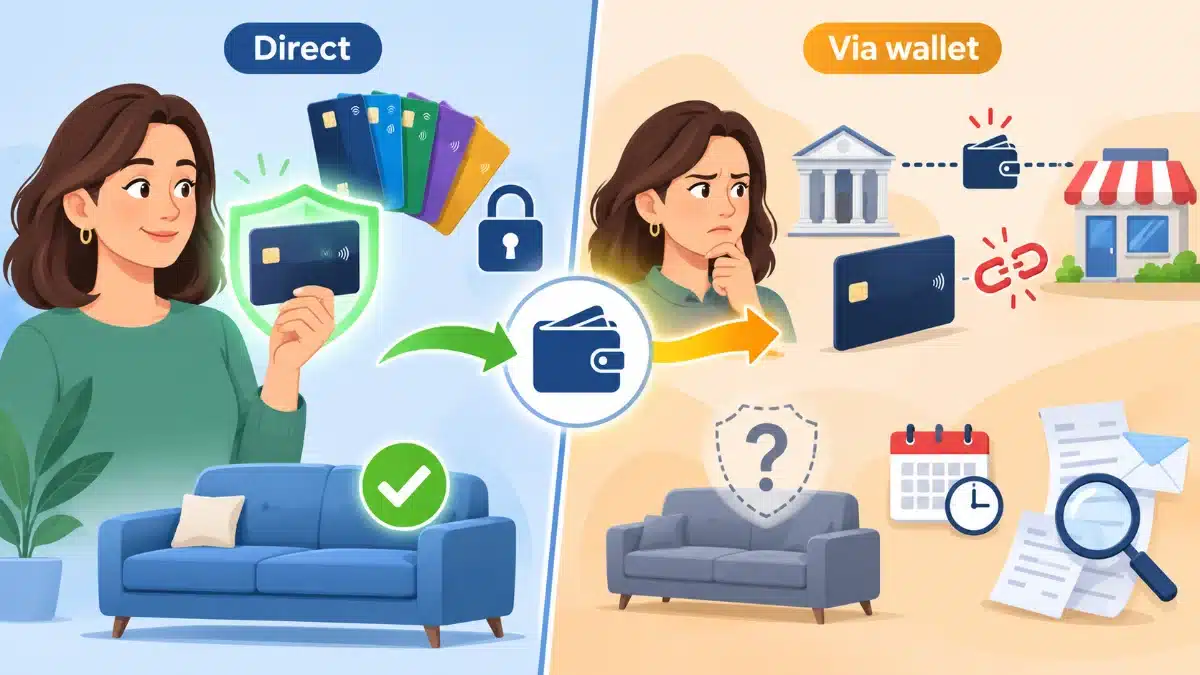
Section 75 of the Consumer Credit Act makes your credit card provider jointly liable with the seller for items costing £100 to £30,000. That link needs the card company to have paid the seller. When you pay through Curve, your credit card pays Curve, and Curve pays the seller. The chain is broken.
So a £1,500 sofa bought with a credit card directly is covered by Section 75. The same sofa bought with a Curve card that is set to charge that credit card is not, unless the purchase sits on a Curve Credit card.
What about Curve’s “Section 75 on debit cards” claim?
Curve’s blog says Curve Wallet is the first wallet to offer Section 75 protection on both credit and debit card purchases. Read the small print at the bottom of that page: it says Section 75 will not apply to existing customers with a Curve debit card, and that customers will “soon” be able to switch to a credit wallet.
Every plan on Curve’s plans page lists “Section 75 protection available for UK customers”. Available is the key word. Check which Curve card you actually hold in the app before you rely on it.
What Curve Customer Protection covers instead
For Curve debit card spending, Curve offers its own scheme. Curve says it will raise a chargeback through Mastercard on your behalf for:
- goods or services not received
- goods that are faulty or not as described
- counterfeit goods
- a merchant that fails to refund
- duplicate charges
- unauthorised transactions, which Curve says it refunds within one working day
The limit is £100,000 per dispute. Curve states plainly that this is not a warranty and that decisions are made at its discretion.
The exclusions list is long
Curve Customer Protection does not cover car hire or car purchases, property and timeshares, investments and shares, crypto, loan repayments, utilities and tax payments, top-ups to other financial services, gift and prepaid cards, fuel at automated pumps, or trial subscriptions you forgot to cancel. For most of these, Curve says it can still raise a standard Mastercard chargeback. For crypto and commodity purchases it says it cannot.
I paid through Curve and something went wrong: who do I contact?
Contact Curve first, not your bank. This is the most important line in Curve’s protection policy: “If you have contacted your underlying card issuer, this protection will no longer apply.”
The policy also says that if a Curve dispute fails, “a dispute can’t be raised with your underlying card issuer”. In practice, Curve becomes your only route to a chargeback for that purchase.
Before you claim:
- Try to fix it with the seller in writing first (not needed for unauthorised payments).
- Gather the order confirmation, delivery notices and your emails with the seller.
- Contact Curve within 120 days and set out the problem in an email, as the policy asks.
- Keep a note of every ticket number and date.
The refund can be taken back
Curve may refund you straight away or wait for the chargeback outcome. If it refunds early and the chargeback later fails, Curve says it can re-debit the money three working days after telling you. It can take it from any of your linked cards, not only the one you used, and it will keep trying until it recovers the full amount.
Is Curve Pay legit and regulated?
Yes. In the UK, the Curve card and e-money are issued by Curve UK Limited, which Curve’s site says is authorised by the FCA as an electronic money institution (firm reference 900926). Curve Flex credit is provided by a separate company, Curve Credit Limited.
E-money is not covered by the FSCS in the way a bank deposit is. With Curve, though, your money mostly stays in your linked bank accounts until each payment is passed through, so this matters less than it does for a prepaid account.
If you are unhappy with how Curve handles a complaint, you can take it to the Financial Ombudsman Service once Curve has issued its final response or eight weeks have passed.
Fees and plans
Curve’s prices are the same figure in pounds or euros. The main differences are how much you can spend abroad without a fee and how far back you can move a payment to another card (“Go Back in Time”).
| Plan | Monthly price | Fee-free spending abroad | Go Back in Time window |
|---|---|---|---|
| Curve Pay | Free | £250 | 3 moves, up to 30 days |
| Curve Pay X | £5.99 | £3,333 | 3 moves, up to 60 days |
| Curve Pay Pro | £9.99 | £50,000 | Unlimited, up to 90 days |
| Curve Pay Pro+ | £17.99 | £100,000 | Unlimited, up to 120 days |
Paid monthly, Pro+ costs £215.88 a year and Pro costs £119.88. Check the current prices and any annual option on Curve’s plans page before you upgrade. None of the paid plans changes the Section 75 position above.
What real users say
Curve has a 2.2 out of 5 rating on Trustpilot from 13,111 reviews (checked 25 November 2026). Trustpilot’s own summary of recent reviews points to delays unlocking blocked cards and slow support replies. Positive reviews mention the foreign exchange savings and having several cards behind one.
On 25 November 2026 a Pro+ subscriber posted on the MoneySavingExpert forum describing three disputes over 13 months that needed chasing, and said they were leaving Curve. That is one customer’s account, not a verified pattern, but it matches the themes in the Trustpilot reviews.
Pros and cons
Pros
- Fee-free spending abroad up to the plan limit, on any linked card
- Move a payment to a different card after the event
- Works with Apple Pay, Google Pay and Samsung Pay
- FCA-authorised UK issuer
Cons
- Debit card spending loses your credit card’s Section 75 cover
- Your bank’s chargeback route closes once you use Curve for that purchase
- Curve’s own cover is discretionary and has a long exclusions list
- Weak customer service ratings on Trustpilot
Who should (and shouldn’t) use Curve Pay
Curve suits everyday spending and travel, where the amounts are small and the foreign exchange savings are real. It is a poor fit for large purchases from sellers you don’t know: holidays, furniture, tradespeople, electronics over £100.
For those, pay with the credit card directly and keep Section 75. A simple rule of thumb: Curve for coffee and trips, the credit card itself for anything you would want to claim back.
Verdict
Curve is a useful travel and card-juggling tool with a genuine regulatory footing. Its weakness is disputes. On a Curve debit card you swap a legal right against your credit card company for a discretionary scheme run by Curve, with a 120-day window and no fallback to your bank.
If you already use Curve, check which card type you hold, put big purchases on your credit card directly, and keep your evidence ready in case you need to claim.
FAQ
Is a Curve card covered by Section 75?
Purchases on a Curve debit card are not. Curve says only eligible purchases on a Curve Credit card get Section 75 cover.
Can I claim Section 75 from my credit card if I paid through Curve?
Curve’s help centre says no, because the purchase through Curve is not a direct credit card purchase.
Should I contact Curve or my bank about a problem purchase?
Curve. Its protection policy says the cover no longer applies once you have contacted your underlying card issuer.
How long do I have to raise a dispute with Curve?
120 days from the purchase, the date you received the goods or the date of the event.
Is Curve safe?
Curve UK Limited is authorised by the FCA as an e-money institution. Its Trustpilot rating is 2.2 out of 5, mostly because of customer service complaints.
Can Curve take a refund back?
Yes. If it refunds you before a chargeback is decided and the chargeback fails, Curve says it can re-debit any of your linked cards.
Related reading
- Barclays Is Switching On Click to Pay: How to Opt Out, and Is It Safe?
- Payr Review 2026: Is Paying Rent by Credit Card Worth the 1.99% Fee?
- Zable Credit Card Review 2026: Three Cards, Fees and Those Loan Letters
- Avoiding UK Bank Fees: What You’re Paying and How to Stop
Sources: Curve Customer Protection policy; Curve help centre: Am I covered by Section 75? (24 November 2025); Curve blog: Section 75 on debit cards; Curve plans page; Consumer Credit Act 1974, section 75; Trustpilot (curve.com), all checked 25 November 2026.


Recent Comments