


Table of Contents
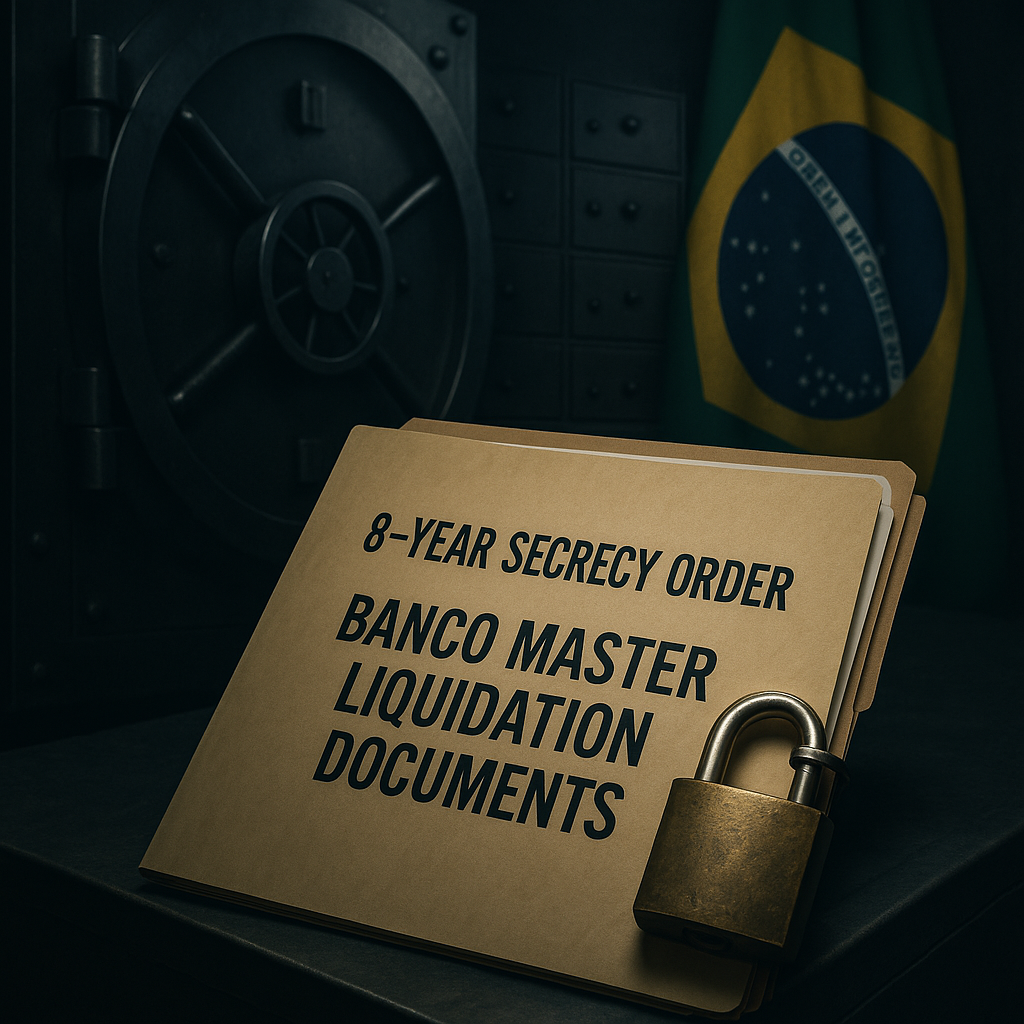
Brazilian Central Bank Imposes 8‑Year Secrecy Order on Banco Master Liquidation Documents
The Banco Central do Brasil (BCB) has classified documents related to the extrajudicial liquidation of Banco Master as confidential for a period of eight years, a move that blocks public and judicial access to the files and raises significant questions about transparency in Brazil’s financial‑stability oversight. The decision, reported by CNN Brasil and confirmed by secondary sources, shields details of the liquidation process that began after Banco Master was placed into extrajudicial liquidation in 2023 following a BCB intervention. The secrecy order prevents the disclosure of documents that could reveal the rationale behind the liquidation, the valuation of assets, the handling of creditor claims, and the BCB’s own assessment of the bank’s solvency at the time of intervention.
The eight‑year confidentiality period is notably longer than typical administrative secrecy windows in Brazilian banking resolutions. Under Brazilian law, the BCB can classify documents as secret when their disclosure is deemed to threaten financial‑system stability, compromise ongoing investigations, or violate banking‑secrecy provisions. However, the extended duration suggests the BCB views the Banco Master case as particularly sensitive, possibly because the liquidation involves complex cross‑border assets, litigation risks, or politically exposed persons. The classification effectively bars journalists, academics, and even courts from accessing the records until 2034, unless a higher court overturns the order.
Context: Banco Master’s Collapse and BCB Intervention
Banco Master, a mid‑sized Brazilian bank with operations in agribusiness and commercial lending, was placed into extrajudicial liquidation in October 2023 after the BCB determined the institution was insolvent and unable to meet its obligations. The BCB’s intervention followed a series of liquidity shortfalls and alleged governance failures. The liquidation process is being managed by a court‑appointed administrator, but the BCB retains oversight authority and controls the release of information related to the case. The secrecy order now covers all documents produced by the BCB, the administrator, and any third‑party consultants involved in the liquidation.
Financial‑stability experts note that while confidentiality is sometimes necessary to protect sensitive deliberations or prevent market panic, an eight‑year blackout period impedes accountability and undermines public trust in the resolution process. “Transparency is a cornerstone of effective bank resolution,” said a former BCB official who spoke on condition of anonymity. “When the public cannot see how a failed bank was wound down, it becomes harder to assess whether the resolution was fair, efficient, and consistent with the law.”
Implications for Creditors and the Brazilian Financial System
The secrecy order directly affects creditors of Banco Master, who may be unable to obtain detailed information about the valuation and disposal of assets that could determine the recovery rate on their claims. It also complicates any legal challenges to the liquidation, as plaintiffs would lack access to key documents. More broadly, the move signals the BCB’s willingness to use its classification powers aggressively, potentially setting a precedent for future bank failures in Brazil.
The BCB has not issued an official press release on the secrecy order, and the information comes from secondary reporting by CNN Brasil, citing sources within the economic‑news website economicnewsbrasil.com.br. The absence of a formal announcement aligns with the BCB’s pattern of handling sensitive liquidation matters without public disclosure, but it also highlights the gap between the BCB’s public‑communications policy and its actual transparency practices.
Next Steps and Oversight Questions
Brazil’s Congress and the Federal Court of Accounts (TCU) could, in theory, demand access to the classified documents under their oversight mandates, but such requests would likely face legal challenges from the BCB. Judicial review of the secrecy order is possible, but courts often defer to the BCB’s expertise on financial‑stability grounds. Meanwhile, the lack of official information leaves room for speculation about what the Banco Master documents contain and why the BCB deemed an eight‑year confidentiality period necessary.
For international observers, the case underscores the tension between financial‑stability imperatives and transparency standards in emerging‑market banking resolutions. As Brazil continues to modernize its crisis‑management framework, the BCB’s handling of the Banco Master liquidation will be watched as a test of how the regulator balances confidentiality with accountability.
Source: CNN Brasil (via economicnewsbrasil.com.br).


Recent Comments